 Livestock

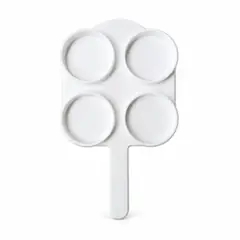
The California mastitis test screens for udder inflammation: put milk from each quarter in separate paddle wells, add the specified reagent and swirl. Thickening or gel needs veterinary follow-up; it does not identify the germ.
Test each quarter separately
- Clean and dry teat ends. Discard initial streams separately, then collect each quarter in its labelled mastitis paddle well.
- Follow the reagent label for equal milk and reagent amounts, mixing and reading time. Never substitute detergent or choose antibiotics from the result.
- Record animal, quarter and result. Wash the paddle after use. Call promptly for abnormal milk, a painful swollen udder or illness.
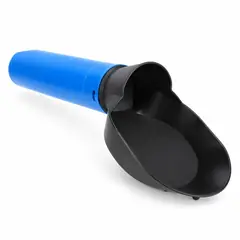
A milk spoon helps inspect milk but cannot replace reagent testing. Use leg bands to mark treated animals and keep their milk separate for the vet's specified withdrawal period.