 Livestock

Which business can you start in a village with one lakh rupees? One answer sits right around you. Every village has cows, buffalo, goats and hens. They need tools all year, and most villages have nobody selling them.
What this business is
You become a supplier. You buy tools by the carton at wholesale and sell them to livestock keepers, vets and small shops in villages. Tools means items such as the drenching gun, hoof rasp, calf weaner, nose ring, ear tag and brush. Medicine and feed are not part of it. They need a separate licence and carry the risk of spoiling. Tools do not expire.
You do not need a shop to start. One room at home can be the store. A bike, a phone and a list of farmers is enough.
Who this work suits
- A young person who wants to work from the village and likes meeting people.
- A shop owner who already sells seed or feed and wants to add a shelf.
- A pashu mitra, AI technician or paravet who visits farmers every day.
If you do not like travel and talk, this work will feel hard. The heart of it is your bond with the farmer.
Where the one lakh goes
A2Z suggests a first stock of about one lakh rupees. The money goes into goods, not into any fee.
Keep some money aside beyond the one lakh: for GST registration costs, fuel for the bike and household costs for the first few months. Do not expect big profit in the first month. Buyers come first, then earnings.
Steps to start
- List the villages within 10 to 15 kilometres. Note which animals each village keeps most.
- Meet the vet, the pashu mitra and the dairy collection centre staff. Ask which tools farmers ask for and where they buy them.
- GST: check your state and sales route
- Make a weekly route. Monday one side of your area, Tuesday the other. Let farmers know which day you come.
- Note every sale in a notebook or on your phone. Order more of whatever ran out fast.
Which tools to keep first
Take the tools every village uses:
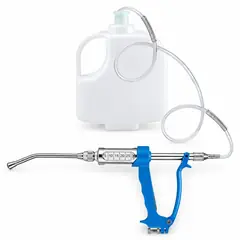
- The drenching gun and 500 ml syringe, to give medicine by mouth.
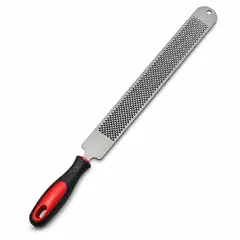
- The hoof rasp and hoof knife, for hoof care.
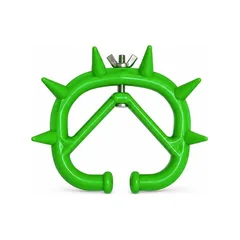
- The calf weaner, to wean a calf off milk.
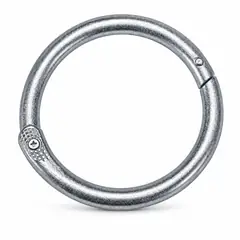
- The nose ring and cow halter, for handling.
- Ear tags, for identification.
- The scratch brush and curry comb, for cleaning.
The full range is on the livestock page. In villages with many gardens or vegetable plots, garden tools sell too.
How to reach farmers
A village farmer buys from people he knows. So build trust first:
- Show how the tool works yourself. How to dose with a drenching gun, how a calf weaner fits. You can show farmers our guides on your phone.
- Work with the vet. The vet names the tool and you deliver it that day.
- Go to haats and cattle fairs. You meet people from many villages in one day.
- Put up a board with your number at the dairy collection centre.
- Send a list with photos on WhatsApp. The farmer messages when he needs something.
How the money turns
In this work money moves in a cycle. Goods sell, money comes in, that money buys new goods. The faster the cycle, the faster the business grows. Three things slow the cycle: credit, slow-moving stock and too much of one item. Give little credit at the start. Do not reorder an item that did not sell in two months. And never let a fast item run out.
Know the risks
Every business carries risk. Here there are three. First, a tool may not sell in your area. So ask vets and farmers first, then choose the mix. Second, money may get stuck in credit. So set a credit limit. Third, earnings may be slow for the first few months. So keep household money separate. The answer to all three is the same: start small and check your accounts every week.