 Livestock

You remember the day this calf was born. Watching it stay small while feed and care continue is a worry about the farm’s future, not just today’s feeding bucket.
Growth needs a complete feeding plan
NDDB’s calf nutrition guidance connects good early nutrition with growth and maturity, and warns that poor feeding can delay first calving and reduce lifetime productivity. It covers colostrum, milk or milk replacer, starter, good-quality hay and preventive health care. A feeding vessel supplies none of those decisions by itself.
Ask your veterinary or nutrition adviser to relate the plan to the calf’s age, breed and body weight. Do not copy a quantity from another calf without checking whether it applies. The purpose is an appropriate diet that the calf actually receives and eats.
What slow progress can mean
Use a consistent record to discuss growth rather than relying only on memory of how the calf looked last month. Keep feeding observations beside the growth record. Ask the adviser how to assess progress and what would justify changing the plan.
For your own planning, record feed used and extra care required. Those are your farm’s costs, not a reason to advertise a universal return from a trough. Buying a better container cannot promise earlier maturity, and a calf that is ill needs more than a feeding change.
Check what reaches this calf
- Write down the calf’s age and feeding history, including early care if known. Share any illness or previous treatment with the adviser rather than considering feed in isolation.
- Review the milk or milk-replacer routine and the starter and forage plan. Have the adviser explain what is appropriate at the calf’s current stage.
- Offer suitable starter separately in a clean, accessible feeding place. Watch this calf eating instead of judging intake from a shared container that looks emptier.
- Remove spoiled or dirty feed and clean the feeding vessel as part of the routine. Keep clean water available and check that the calf can reach its feeding and drinking points.
- Maintain the agreed growth and feeding record. Ask the vet about preventive care and follow-up; do not replace assessment with repeated unplanned feed changes.
Where the A2Z trough helps
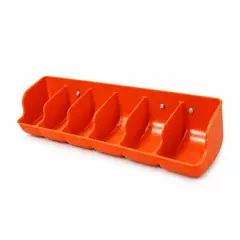
The A2Z feeding trough provides a place to offer feed separately. It can help you organise feeding and observe what is offered, but it does not balance the ration or guarantee that the calf consumes enough. Position and clean it with the daily routine in mind.
Before selecting equipment, describe the calf area to the seller and check suitability with your adviser. Keep the main question clear: what does this calf need, and is it receiving it? A full trough is a starting observation, not a complete answer.
When to call the vet
Seek help for poor growth that continues, refusal to feed, diarrhoea, weakness or difficult breathing. NDDB’s bovine handbook describes several warning signs in young calves. Do not wait for the next growth check if a calf appears ill, and do not assume that adding starter treats the cause.
Tomorrow’s strong herd starts with the calf in front of you today.