 Livestock

You keep bringing fodder, but the animal still looks thin. More feed is an expense you feel immediately; finding out why it is not producing the growth you expected takes a better question.
Worms are a possibility, not a diagnosis by sight
NDDB describes worms as parasites and lists poor growth, reduced milk production, diarrhoea and delayed maturity among possible effects. Those signs justify investigation. They do not prove that every thin animal needs the same dewormer or the same dosing schedule.
The bovine observation handbook also connects poor body condition with feeding and health problems. Tell the veterinarian what the animal is actually eating, how its condition has changed and what medicines have already been given. Avoid leaving out an earlier treatment because it did not appear to work.
Where the cost becomes real
Use your own records to compare feed use, growth observations and milk. If the animal is not progressing, the question is why, not how confidently someone can promise a recovery. There is no honest universal milk gain or weight gain to attach to a drenching tool.
For planning, include the time spent handling animals and arranging assessment. A written plan is easier for the family to follow than a remembered instruction. It also gives the vet something concrete to review if the first explanation turns out to be incomplete.
Get the treatment decision right first
- Arrange a veterinary review of poor growth or persistent thinness. Ask whether parasite investigation, a feeding review or other checks are needed for this animal.
- Provide the animal’s weight or ask how it should be established. Let the vet choose the medicine, concentration and dose rather than estimating from appearance.
- Write down the prescribed route and timing, and any withdrawal advice for milk or meat. Check the medicine label against the instructions before preparing equipment.
- Have a trained person demonstrate safe oral administration. Do not force liquid into an animal that cannot swallow normally, and stop for professional help if it struggles or coughs.
- Record what was actually given and arrange the advised follow-up. Do not repeat or increase a dose on your own because the animal still looks thin.
Where the A2Z drench gun helps
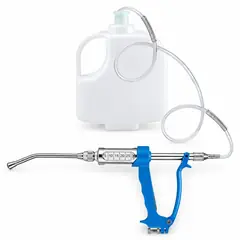
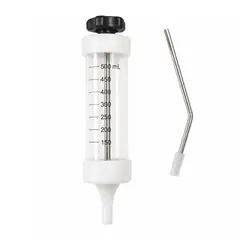
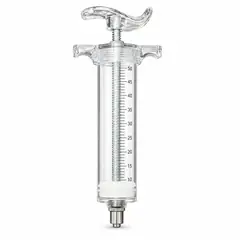
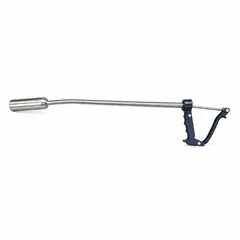
The A2Z oral drench gun is equipment for delivering an appropriate prescribed oral liquid. It does not select the medicine or calculate the animal’s dose. Check with the vet that the tool is suitable for the prescribed volume and formulation before use.
Follow the tool’s cleaning instructions and check its operation with the trained person. Do not treat a trigger pull as proof that the full intended dose was safely swallowed. If delivery was uncertain, ask the vet what to do next instead of automatically giving more.
When to call the vet
Seek prompt help for persistent diarrhoea, marked weakness, worsening weight loss or a sudden drop in feeding or milk. These are reasons to investigate the animal, not reasons to buy a stronger medicine without advice. A tool supports a care plan; it cannot establish the cause or promise a cure.
Protect the value of every feed basket by asking why growth has stalled.