 Livestock

The morning milking is finished when someone asks whether the treated cow's milk stayed separate. That question is much harder after the cans have been combined.
Make treatment information visible
NDDB's dairy husbandry handbook includes precautions for mastitis and milk from animals under treatment. Use the veterinarian's instructions and the medicine label to establish the milk withdrawal period. Do not invent a common waiting time for every medicine or decide that normal-looking milk is ready for sale.
The practical weak point to check is the handover between people. The person who gave the medicine may not be the person milking tomorrow. Build a system that asks both people to check the same animal identity and written instruction before milk goes into the collection can.
Keep the cost discussion honest
If a mix-up occurs, record which milk was combined and what the collection centre instructs you to do. The amount held back or discarded belongs in your own farm account. A coloured band cannot guarantee acceptance, prevent every mistake or establish that milk is free from residues.
You work too hard for a moment of uncertainty to be treated casually. Make it easy for a family member or relief milker to pause and ask. A clear instruction is worth more than expecting everyone to remember a conversation from the previous evening.
Set up the handover before the next milking
- Ask the vet to write the animal identity, treatment details and milk withdrawal instruction. Confirm when the milk may return to the normal collection, including how the last treatment affects that decision.
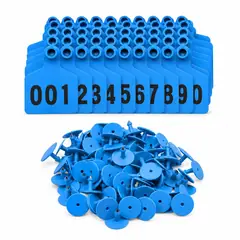
- Give the treated animal a clear temporary marker and match it to the written record. Agree what that marker means on your farm; a colour has no universal medical meaning.
- Brief every milker before work starts. Have the person check the animal and record together rather than relying on memory or a shouted instruction.
- Keep the milk separate as directed and label the container clearly. Ask the vet and collection centre about disposal; do not assume it is suitable for another use.
- If milk is mixed by mistake, hold the affected batch and tell the collection centre and vet. Do not send it onward while hoping that dilution has solved the problem.
Where A2Z leg bands help
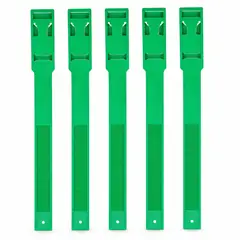
A2Z leg bands offer a visible reminder alongside the treatment record. Their role is to prompt a check, not to calculate a withdrawal period or test the milk. Choose a marking convention that every person working at the shed understands.
Have a competent handler check the band's fit and condition. Confirm that the marker is still present during each handover, and remove or change it only after the recorded restriction has been resolved. A missing marker should trigger a record check, never an assumption that treatment has ended.
When to call the vet
Contact the treating vet whenever the withdrawal instruction is unclear, treatment changes or the animal remains unwell. Ask the collection centre how to handle an affected batch. Do not replace either conversation with a guess based on the milk's appearance.
Protecting the milk can also protects the trust built around your farm.
Public sources: NDDB: good dairy husbandry