 Livestock

Step 1: decide what you sell
Agri shops fall into two kinds. A regulated shop sells fertiliser, pesticide, seed or medicine, and each of these needs its own licence. A tools shop sells hand tools, livestock equipment and garden tools, which are plain goods. Most new owners start with tools, add a licence later, and keep both under one roof.
Step 2: the licences that apply
- For sales within your state, GST registration depends on your annual turnover and the threshold in your state. Interstate taxable goods sales generally need GST registration. Eligible small online sellers can sell within one state without GST, subject to enrolment and conditions. Confirm your case before selling.
- Shop and establishment registration from your state labour department, and Udyam registration for MSME benefits.
- Fertiliser: a dealer licence or authorisation from the state agriculture department, under the Fertiliser (Control) Order.
- Pesticide: a licence from the state agriculture department under the Insecticides Act. Many states ask for an agriculture qualification or approved training.
- Seed: a seed dealer licence from the state agriculture department.
- Animal medicine: a drug licence, which usually needs a qualified pharmacist.
Conditions, fees and forms differ from state to state. Ask your district agriculture office before you buy stock, and check syringes and needles with the district drug office. This is a general guide, not legal advice.
Step 3: shop size and layout
A tools shop does not need a big space. A small front or one room is enough, and many owners start with a corner of a running shop. Open where farmers already come: near the mandi, a dairy collection centre, a feed shop or a veterinary hospital. Hang tools on the wall so a farmer can pick them up, and keep cartons dry. If you add fertiliser or pesticide, plan separate storage that meets the licence conditions.
Step 4: first stock list
Stock for the animals and crops around you, not a little of everything. This list uses A2Z carton sizes. The minimum order is one carton per product.
| Range | Items and carton size | Category |
|---|---|---|
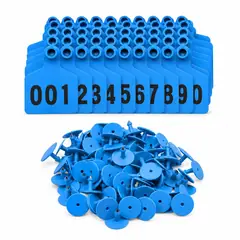
| Identification | Numbered ear tags (50 packs of 100 per carton) and applicator (50 or 100 per carton) | Ear tags and ID |
| Holding and handling | Cow halter (200 per carton), nose ring pliers (50 per carton) | Handling |
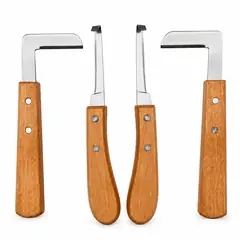
| Hoof care | Hoof knife set (50 per carton) | Hoof care |
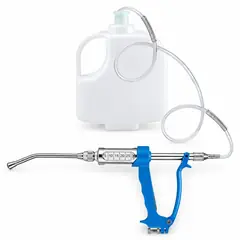
| Dosing | Drenching injectors (20 to 40 per carton by size) | Dosing |
| Calves and wounds | Calf weaner (300 per carton), cohesive bandage (144 to 288 per carton by width) | Calving, Health |
| Poultry | Drinking cups and infrared bulbs (60 to 300 per carton by item) | Poultry |
| Pig | Nipple drinkers (400 to 500 per carton) | Pig |
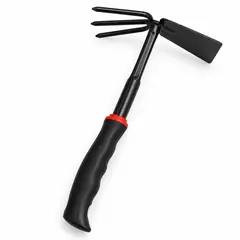
| Garden and field tools | Hand hoe (120 per carton), trowel (200 per carton), sickle (100 per carton), garden fork (100 per carton) | Soil tools, Cutting tools |
A dairy belt needs dosing, hoof and handling gear first. A poultry or pig cluster needs drinkers and heat. A garden area needs the soil and cutting tools. A2Z suggests about one lakh rupees of first stock, as set out in starting a village tools business.
Margins in general terms
Your margin is the gap between the carton rate you pay and the rate you charge on the shelf. Subsidised fertiliser is sold at a printed maximum price, so your room to earn is narrow. Tool rates are yours to set. Check what nearby shops charge, add rent and transport, and keep a rate that brings the buyer back each month.
How A2Z supplies a new shop
We import.
- We dispatch across India on a GST invoice.
For range-specific plans, see a veterinary shop, a garden tools shop, poultry equipment and pig equipment. Browse the livestock and gardening ranges.