 Livestock

You paid for seed, carried water and waited for growth. Seeing weeds fill the spaces around your crop can feel like watching your work feed the wrong plants.
Why weeds deserve timely attention
TNAU describes competition from weeds for water, sunlight and nutrients. Its guidance also explains that the important period for weed control depends on the crop. There is no single weeding calendar that honestly fits every vegetable bed, fodder patch and field.
The same source discusses scouting and mechanical control, including hand tools for individual plants and patches. Start by identifying what is growing and where. A tool decision is easier after you understand the crop stage, weed distribution and space available to work.
What the problem costs
Yield loss and labour are the practical concerns here, but do not attach a guessed percentage to your own field. Record where weeds recur and the time spent removing them. That gives your next decision a firmer basis than an impressive claim on a tool listing.
Your effort matters even when it is not visible in the harvest yet. The aim is to put that effort where it helps most. A manageable patch dealt with at the right stage is a clearer task than a vague instruction to make the entire farm spotless.
Work through the plot deliberately
- Walk the crop rows and mark the weedy patches. If you cannot identify a plant, get help from your local agricultural extension adviser before deciding how to manage it.
- Confirm the crop’s important weed-control period with that adviser. Use crop-specific guidance instead of copying a schedule meant for a different crop.
- Match the tool to the working space. Use careful hand work near crop plants and avoid striking their roots or stems while removing weeds.
- Revisit treated patches and record what returns. Ask about recurring weeds before repeating the same operation without checking whether it suits that species.
- Discuss longer-term measures such as rotation or appropriate mulching with the adviser. TNAU describes these as parts of weed management, not reasons to stop observing the field.
Where A2Z tools help
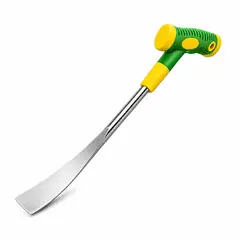
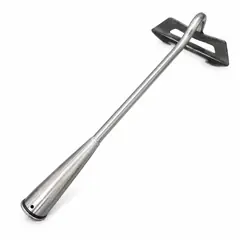
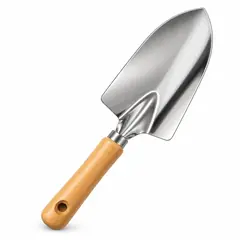
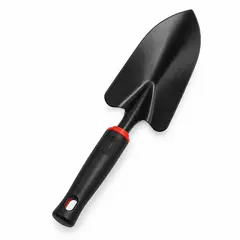
The A2Z hand weeder supports close hand work on individual weeds. The socket-fit garden hoe head (handle not included) is another option for manual cultivation where the crop layout allows it. Choose by the task and available space, not by an assumed yield increase.
These tools require labour and judgement. They do not identify weeds, choose the correct timing or guarantee that a patch will stay clear. Before buying, discuss the handle arrangement and working method with the seller, then plan who will do the work and when.
Who to call when the problem is unclear
For persistent weeds or suspected crop disease, contact an agricultural extension adviser. A veterinarian is not the usual contact for a weed-management question. If an animal becomes unwell after eating material cleared from the plot, contact a vet promptly and identify what it may have eaten; do not guess that unfamiliar weeds are safe fodder.
A stronger harvest starts by protecting the crop’s share of your hard work.
Public source: TNAU