 Livestock

She reaches the feed later than usual, and every step looks careful. That limp is a reason to pay attention today, not a sign that she is simply becoming lazy.
Why a long hoof is not the whole diagnosis
NDDB’s laminitis guidance links hoof problems with feeding and health factors, including inadequate forage and other diseases. It recommends suitable soft flooring, sufficient forage and regular hoof trimming. A visible overgrown hoof may need skilled attention, but it does not explain every painful step.
NDDB’s bovine handbook also treats abnormal walking and difficulty rising as warning signs. Start with observation and professional assessment. Do not make the animal walk repeatedly just to prove that something is wrong, and do not begin cutting because a tool is available.
What this means for the farm
Record any change in feeding, movement and milk alongside the date you first noticed the limp. These are useful observations to take to the vet. For your own accounts, record the extra care and any treatment or trimming work actually required rather than assuming a fixed loss.
It is frustrating when routine jobs become slow because an animal is uncomfortable. The useful response is to make the next decision safer. Your goal is comfortable movement and an appropriate care plan, not a neat-looking hoof at any cost.
Take the next steps in order
- Observe the animal without chasing her. Note which limb seems affected, whether she can bear weight and whether standing or lying down appears difficult.
- Ask a vet to assess pain or unexplained lameness. Describe recent feeding changes and other illness instead of presenting hoof overgrowth as a settled diagnosis.
- Review the standing and resting surface. Discuss a comfortable, safe area with the vet while the cause is being assessed.
- Arrange trimming through a trained hoof-care professional when appropriate. Have that person choose the technique and safe restraint, and explain the follow-up plan.
- Review forage and the overall ration with your adviser. Keep a record of the examination, any treatment and the date recommended for reassessment.
Where the A2Z tools help
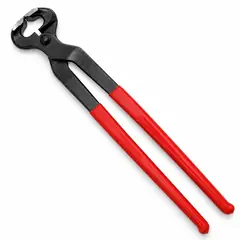
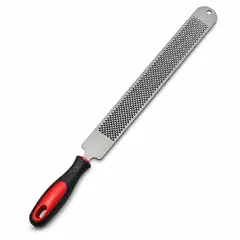
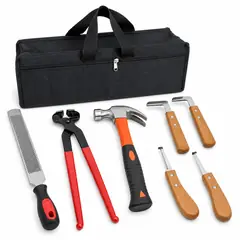
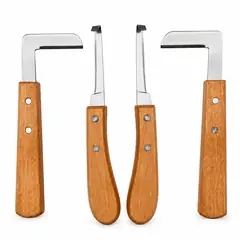
The A2Z hoof nipper and hoof rasp are tools for skilled hoof work. They can be used in managing overgrowth when a trained person judges trimming appropriate. They do not treat laminitis, identify an infection or make painful hoof tissue safe to cut.
Do not use a product guide as a cutting lesson. Ask the person doing the work to explain the objective before starting, and stop if the animal is distressed or the task moves beyond their competence. Buying equipment is not the same as acquiring the skill to use it.
When the vet is needed
Call promptly for a painful limp, swelling, a wound, difficulty bearing weight or trouble rising. A severely affected animal needs assessment before routine trimming. Do not wait for a scheduled hoof-care visit if the condition worsens, and never promise that a rasp will get the animal walking normally again.
Strong farming includes noticing the step your animal cannot take comfortably.