 Livestock

The drinker is full, but the water carries feed and dirt. When your flock depends on that point all day, filling it again is not the same as giving birds clean water.
Clean water is a routine, not a container
TNAU’s poultry management guidance calls for plentiful clean, fresh water. It also covers cleaning equipment, replacing wet litter and helping chicks locate a new water source when drinkers change. These are linked management jobs, not benefits that appear automatically when you fit a cup.
Look at the whole route from storage to the bird. Inspect the supply and the drinking points, then watch whether the birds are using them. An arrangement that looks tidy to the person installing it still needs to work for the flock.
What to record before calling it a saving
For your own farm accounts, record cleaning work, wasted water and any flock-health concerns. Do not assume that a drinking cup will deliver a certain growth improvement or reduce disease by a fixed amount. The cited guidance is about water management; it does not show performance gains from this cup.
If you have already spent time on the shed, another problem can feel like a criticism of your effort. Use the inspection to find a specific task instead: a dirty cup, an unreliable supply or a new drinker the chicks have not learned to use.
Inspect the system from source to bird
- Check the stored water and the supply route. Ask your poultry adviser about water-quality testing if the source is doubtful; a cup does not make unsuitable water safe.
- Clean drinking equipment using an appropriate routine and follow any approved cleaning product’s instructions. Clean the drinkers every day, and again whenever dirt shows.
- Check each drinking point for delivery and access. Observe the birds using it rather than assuming that a full line means every bird can drink.
- When changing the drinking system, make the transition under advice and confirm that chicks find the new source. TNAU specifically warns against overlooking access during a change.
- Remove wet litter and replace it with dry material. Investigate leaks and spillage instead of repeatedly covering a damp patch with more litter.
Where the A2Z cup helps
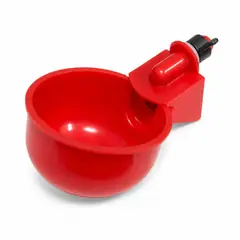
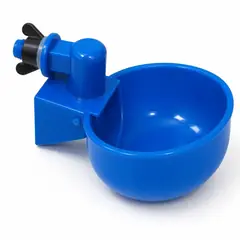
The A2Z poultry drinking cup provides a drinking point within a suitable poultry water system. Discuss the connection and flock setup before buying, then test the arrangement during actual use. Do not assume a capacity or flock coverage that has not been confirmed.
The cup still needs cleaning and a reliable clean supply. It is not a water-treatment device or a cure for disease. Make someone responsible for checking it, and leave clear instructions for the person who covers the work when you are away.
When to call the vet
Ask a poultry vet to investigate sick birds, unexpected deaths or a persistent change in feeding and drinking. Do not explain a flock problem as dirty water without assessment, and do not add unprescribed medicine to the supply. Correct the hygiene problem while arranging professional advice, rather than treating those as alternatives.
A strong flock needs care at the small drinking point as much as at the feed store.