 Livestock

The chicks are crowded beneath the lamp, and you are counting them again before leaving the shed. That uneasy feeling deserves a check of the brooder, not a guess that a brighter bulb will solve it.
Read the chicks as well as the thermometer
TNAU explains that too little or too much brooding heat can slow growth and cause deaths. Chicks crowding close to the heat suggest insufficient warmth; moving away and panting can indicate excess heat. An even distribution is a useful sign of a more suitable environment.
TNAU also recommends temperature monitoring and recognises infrared lamps as a brooding option. The important point is controlled warmth appropriate to the chicks, not the mere presence of a glowing lamp. Behaviour and measurement belong together in the inspection.
What an avoidable loss means
For your own records, count deaths and note feeding, drinking and brooder observations. Include the time spent checking equipment. These records help the poultry adviser investigate what happened without turning every loss into an assumed temperature problem.
The chicks represent work already invested and the flock you are trying to build. That is why the response should be deliberate. Do not buy heat equipment on a promise that one bulb will cover every enclosure or prevent all winter losses.
Check the brooder before adjusting it
- Observe how chicks are spread around the heat source. Note crowding, avoidance of the warm area or unusual breathing, and compare the behaviour with a temperature reading.
- Ask your poultry adviser to set the appropriate brooding plan for the chicks’ age and housing. Do not apply the same setup throughout rearing without review.
- Check the lamp installation against the manufacturer’s instructions. Use a suitable secured holder and keep combustible bedding and water away from the electrical setup; ask a qualified person to correct unsafe wiring.
- Review litter, ventilation and access to feed and clean water. TNAU treats these as parts of brooding management, so heat should not be checked in isolation.
- Recheck chick behaviour after an adjustment and record the result. Arrange monitoring and a safe backup plan for power interruption rather than assuming the last setting will remain suitable.
Where the A2Z bulb helps
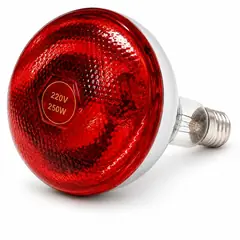
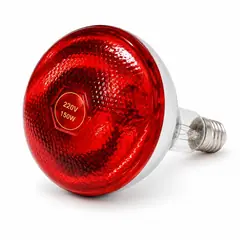
The A2Z infrared bulb supplies heat when installed in a suitable brooding arrangement. Its role is warmth, not automatic temperature control or disease treatment. Ask about compatibility with the holder and the intended installation before use.
Choose positioning through the equipment instructions and the adviser’s plan, then verify conditions where the chicks are. Do not invent a universal hanging distance or bird count from the product name. The enclosure and the observed conditions still need attention after the bulb is fitted.
When to call the vet
Contact a poultry vet promptly for ongoing deaths, weakness, breathing trouble or chicks that remain abnormal after the environment is checked. Heat may be only part of the problem. Do not keep increasing warmth while postponing an investigation, and never present the bulb as a cure.
Strong farms are built by checking the small lives before losses become a routine.