 Livestock

Villages now have large dairy farms as well as small livestock keepers. On such a farm the daily work runs on tools: water bowls, a plate to test milk, calf blankets, cow brushes. The farm owner wants one supplier who delivers to the farm.
In farm supply, you go to the buyer
In a shop the buyer comes to you. In farm supply you go to the buyer. A dairy owner or manager does not want to leave work to go to town. He orders by phone and wants the goods at the farm. The supplier who does this is the one the farm buys from every month.
So you do not need a big shop to start. A storeroom, a bike or small vehicle and a list of farms is enough. If you already have a shop, it becomes your base.
What a dairy farm needs
Farm work splits into a few parts. Each part has its own gear:
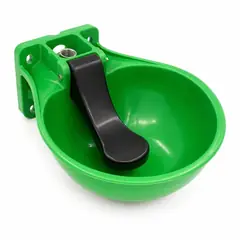
- Water. With the Automatic water bowl, with mounting clamps and the stainless automatic water bowl an animal drinks whenever it wants. A new shed fits many bowls at once.
- Milk hygiene. The mastitis test paddle catches mastitis early. Teat plugs are also a daily dairy item.
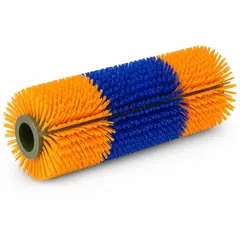
- Comfort and cleaning. The scratch brush mounts on a wall and the cow scratches herself. Large farms also fit the motor cow brush.
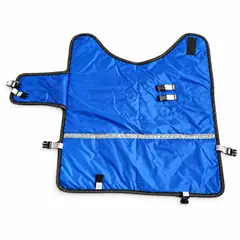
- Calves. The calf blanket for winter, the calf weaner for weaning.
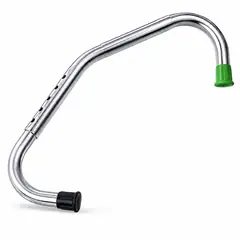
- Handling and ID. The anti-kick bar, ear tags and leg bands.
- Hooves. The hoof knife, nipper and rasp, which every farm needs at some point.
The full range is on the dairy page and the livestock page.
Papers and money
Dairy farms often ask for a GST bill, above all large farms and gaushala trusts. So get GST registration first. If you open a shop, take the state shop and establishment registration. Udyam registration is free and helps with bank loans. Rules change by state, so confirm once with a CA.
Put money into stock, not show. A2Z suggests about one lakh of first stock. Keep one more point in mind. Large farms sometimes ask for credit. Keep credit low at the start. Earn the buyer's trust first, then talk about credit.
How to find farm customers
- Make a list of the farms in your district. The dairy society, the AI technician and the feed dealer give you names. They know which village has a new shed.
- Reach new farms first. A new shed needs a lot of gear at once: bowls, brushes, anti-kick bars, tags. The supplier who arrives then stays on.
- Meet gaushalas. A gaushala has many animals and needs gear all year. Trusts change suppliers only on trust, so visit more than once.
- Work with the vet. The vet visits farms and says what they should fit. Give him your list.
- Send the farm owner your list with photos on WhatsApp. Once a month, ask what has run out.
What sells in which season
- Before summer, water bowls and troughs. In summer animals drink more and farms fit new bowls.
- Before winter, calf blankets. In the north Indian winter a newborn calf suffers most.
- In calving season, calving rope, the calf puller and calf gear. Ask your vet about the buffalo calving season in your area.
- In the monsoon, hoof disease rises. Hoof tools are in demand then.
Read your region and its animals
Haryana, Punjab and western UP have both buffalo and cows. There the anti-kick bar and milk gear sell. Gujarat and Rajasthan have more gaushalas with Gir and desi breeds. There scratch brushes, water bowls and calf gear sell. Where dairies keep exotic breeds such as HF and Jersey, milk hygiene gear sells more. Look at the farms in your district first, then fix your stock.
How to keep a farm for the long run
A farm is not a one-time buyer. Keep a short record for each farm: how many animals, what it bought, when. Then you know when bowls need replacing and when tags run out. Call before the order comes. Show how to use each tool. Send farm staff our guides, such as how to fit an anti-kick bar. A farm does not leave a supplier who understands its problems.
How to think about margin
In farm supply, margin comes less from rate and more from order size. A large farm takes several cartons at once. You set your own rate. Add delivery and your time to it. A farm does not want cheap gear. It wants the right gear at the right time.
How to stock with A2Z
A2Z Livestock imports dairy and livestock equipment direct under its own IEC. Stock sits ready in our godown at Bhatgaon, Sonipat (Haryana). When a large farm orders, you do not wait weeks for goods.
- The minimum order is one carton.
- Territory is open. Supply farms in any district or state.
- There is no joining fee. The full resale margin is yours.
- Message us on WhatsApp for the catalogue. Share the product names or SKUs you need. Our sales team will call you with rates and confirm your order.
Tell us what farms your area has. We choose the first mix to suit them. Send an enquiry here or read the start your business page.
Common questions
Do I need a shop to supply dairy equipment?
No. Farm supply can run from a storeroom and a vehicle. The buyer is at the farm, not at a shop.
Do you supply milking machines?
A2Z stocks hand tools and farm equipment such as water bowls, brushes, anti-kick bars and milk test plates. See the full list on the dairy page.
What if a large farm asks for credit?
Keep credit low at the start. After two or three orders, once trust builds, decide how much credit to give.
How do I place an order?
Message us on WhatsApp for the catalogue. Share the product names or SKUs you need. Our sales team will call you with rates and confirm your order.