 Livestock

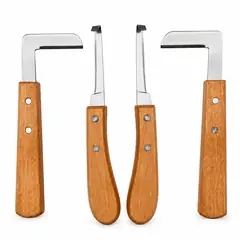
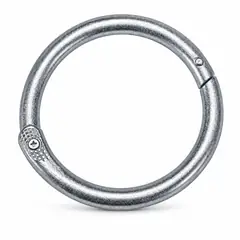
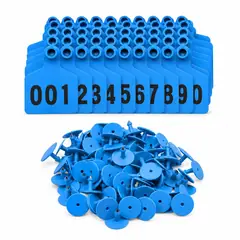
Every village has animals. Every livestock keeper needs something through the year: a gun to give medicine, a knife to trim hooves, a nose ring, an ear tag, a rope. Most farmers bring these from town or ask the vet. A shop can fill that gap.
Tools need no drug licence
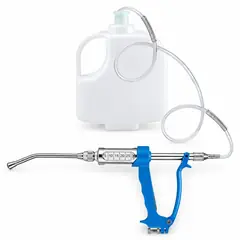
First decide what you will sell. Selling animal medicine needs a drug licence, and that comes with a condition of a pharmacist or a set qualification. Tools and equipment are a different thing. A drenching gun, hoof knife, nose ring, ear tag, calf weaner or cow brush is not a medicine. For these you need the same papers as any ordinary shop. For syringes and needles, check your state's rule once with the district drug office. Some states set a separate condition for them.
Many shop owners keep both. If you already run a medicine shop, one shelf of tools is the easiest step. The same farmer comes in and takes more on the same visit.
How much space you need
You do not need a big shop to start. A small room or one corner of a running shop is enough. Keep these points in mind:
- Open where farmers already come. Near a dairy collection centre, a feed shop, a veterinary hospital or the mandi.
- Put hooks and shelves on the wall. A farmer picks up and looks at a tool that hangs in view.
- Keep a dry place for cartons. Iron tools rust in damp.
- Keep one open sample of each range on the counter. A farmer buys once he holds it in his hand.
Which papers apply
A tools shop needs few papers. These are the usual ones:
- GST registration. The GST number helps you buy at wholesale and bill large buyers such as gaushalas and dairy farms.
- Shop and establishment registration. Your state labour department issues it. Many states do it online. Rules can differ in villages, so ask your block office or municipality.
- Udyam registration. This is the free MSME registration of the Government of India. It helps with bank loans and government schemes.
- A current account in the shop's name.
Rules change from state to state. Confirm with your CA or the district office before you apply for any paper.
How much money it takes
Money goes to three places: rent and shelves, first stock, and cash in hand to run the shop. Put most of your thought into stock. Do not buy a little of everything. Start with the items that sell every week in your area. Add more on the next order when buyers ask for them.
A2Z suggests you start with about one lakh rupees of stock. That buys a good mix and the shop does not look empty. Rent and shelves are extra. Keep some cash in hand so you can reorder a fast item at once.
Tools have one big advantage. They do not expire. Unlike medicine and feed, there is no risk of stock going bad. What does not sell today sells next month.
What to keep as first stock
Look at the animals in your area and stock for them. In a typical dairy area these ranges move from day one:
- Dosing tools: the drenching gun, 500 ml syringe and vaccinator. See the full dosing range.
- For hoof care, the hoof knife, hoof nipper and hoof rasp.
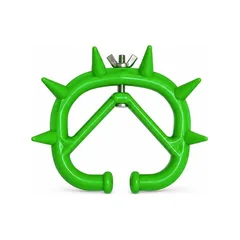
- For holding and tying, the nose ring, cow halter and anti-kick bar.
- For identification, ear tags and their applicator.
- For calves, the calf weaner and feeding nipple.
- For wounds, cohesive bandage.
Stock by season and region
The same goods do not sell every month. Stock for the coming season a month ahead.
- Before winter, demand rises for calf blankets and the infrared bulb for chicks.
- In summer, water bowls and troughs sell more.
- In calving season, calving rope, the calf puller and calf gear move. Ask your vet or dairy society when most calvings happen in your area.
- Where sheep are kept, stock wool shears before the shearing season.
Look at the region too. In dairy belts such as Haryana, Punjab and western UP, cattle and buffalo gear sells most. In Rajasthan sheep and goat gear also sells. In the North East, pig farm gear. Where poultry farms cluster, drinkers and brooders.
How to find farmer customers
- Meet the nearby vets and pashu mitras. They meet farmers every day and name the tools they need. Give them your number and item list.
- Put up a board or leaflet at the dairy collection centre. Livestock keepers from the whole village come there morning and evening.
- Meet gaushalas and large dairy farms in person. They buy in bulk and buy again.
- Take a stall for a day at a cattle fair or haat. You meet many new buyers at once.
- Send a photo of your item list on WhatsApp. The farmer messages when he needs something.
Show buyers how to use each tool. A farmer who learns to use a drenching gun right comes back to you. Our guides are written to show farmers.
How to set margin and rates
You set your own resale rate. The gap between the wholesale rate and your market rate is your margin. When you set a rate, check what nearby shops charge and what it costs a farmer to go to town. Add your own rent and transport. At the start, keep rates that bring the farmer back. A buyer who returns every month earns you more than one big margin.
How to stock with A2Z
A2Z Livestock imports this equipment direct under its own IEC. Stock sits ready in our godown at Bhatgaon, Sonipat (Haryana). We sell to shops, dealers and distributors.
- The minimum order is one carton.
- Territory is open. Sell in your district, your state or anywhere in India.
- There is no joining fee. The full resale margin is yours.
- Message us on WhatsApp for the catalogue. Share the product names or SKUs you need. Our sales team will call you with rates and confirm your order.
- Goods go to any state.
We choose your first stock by the animals in your area. Send an enquiry here or read the start your business page. The full range is on the livestock page.
Common questions
Does a tools shop need a drug licence?
A drug licence is for medicine. A hoof knife, drenching gun, nose ring or ear tag is not a medicine. For syringes and needles, confirm your state's rule with the district drug office.
Can I start without a shop?
Yes. Many people carry stock on a bike from village to village and work with the local vet. The shop can come later.
How big should the first order be?
The minimum order at A2Z is one carton. We suggest about one lakh of stock to start, so the shop shows a full range.
How do I place an order?
Message us on WhatsApp for the catalogue. Share the product names or SKUs you need. Our sales team will call you with rates and confirm your order.